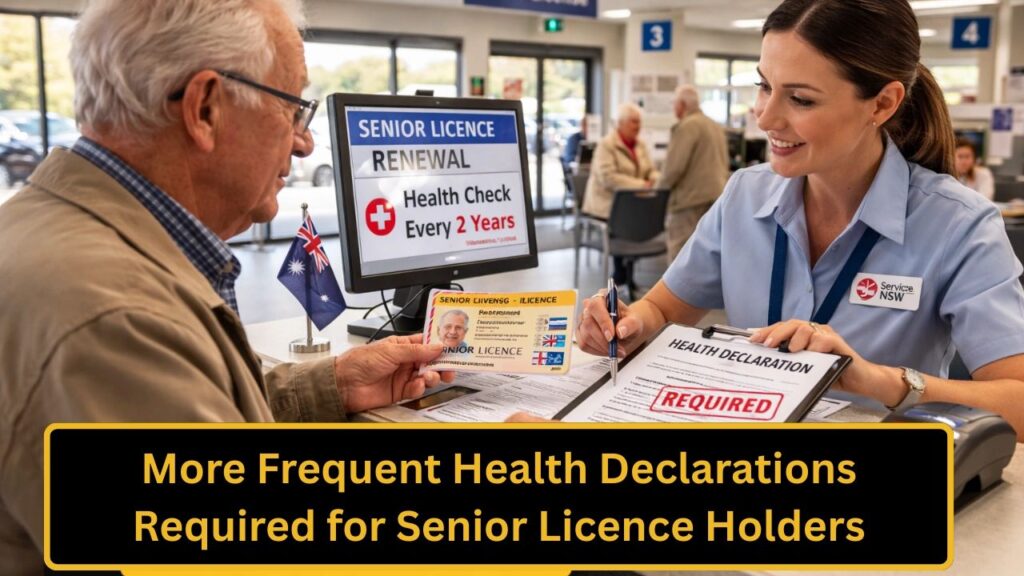
Driving represents independence, flexibility, and connection to daily life—especially for older adults. In 2026, however, new health declaration rules for senior drivers across Australia are introducing additional responsibilities at licence renewal time. These updated requirements are part of a broader effort to strengthen road safety while supporting older drivers in maintaining mobility where medically appropriate.
For many senior licence holders, the changes mean more frequent paperwork, regular health checks, and closer monitoring of medical conditions. While some view the reforms as restrictive, transport authorities emphasize that the goal is prevention—not punishment.
Understanding what these new requirements involve can help drivers prepare early and avoid unexpected interruptions to their driving privileges.
Why Health Requirements Are Becoming More Frequent
Australia’s population is ageing, and more people are continuing to drive well into their later years. With increased longevity and improved healthcare, many individuals remain active drivers into their 70s, 80s, and beyond.
However, age-related health conditions can affect reaction time, vision, and overall driving ability. Authorities are responding by strengthening medical reporting systems to ensure drivers remain fit to operate vehicles safely.
Key Factors Behind the Policy Changes

Several long-term trends have influenced these updated rules:
Growing Number of Senior Drivers
More individuals are renewing licences at older ages than in previous decades.
Rise in Age-Related Medical Conditions
Conditions affecting vision, cognition, and physical mobility become more common with age.

National Road Safety Targets
Authorities aim to reduce traffic incidents involving medically impaired drivers.
Advances in Medical Assessment Standards
Improved diagnostic tools allow earlier identification of driving-related health risks.
Importantly, age itself is not considered a disqualifying factor. Instead, the emphasis is on medical fitness and responsible reporting.
What Is Changing for Senior Licence Holders in 2026
While licensing laws remain state-based, many jurisdictions are introducing similar updates to improve consistency nationwide. These changes generally affect drivers above specific age thresholds.
Major Changes Being Introduced
Senior drivers may notice several new requirements, including:
Shorter Licence Renewal Periods
Instead of renewing every three or five years, older drivers may renew annually after reaching a certain age.
Mandatory Health Declaration Forms
Drivers must complete medical disclosure forms at each renewal.
Regular Medical Certificates
Some drivers will be required to submit medical clearance from a general practitioner or specialist.
Routine Vision Testing
Vision assessments are becoming more standardized across jurisdictions.
Specialist Assessments When Needed
Complex cases may require evaluation by medical professionals with expertise in driver fitness.
In many regions, drivers aged 75 or older will likely face the most frequent reporting requirements.
Understanding the Health Declaration Process
A health declaration is a formal statement confirming whether a driver has any medical condition that could affect their ability to drive safely. This document plays a central role in licence renewals for senior drivers.
Common Conditions That Must Be Reported
Drivers are typically required to disclose conditions such as:
- Vision impairment or severe visual decline
- Epilepsy or seizure disorders
- Heart disease or cardiovascular events
- Diabetes requiring insulin treatment
- Cognitive impairment or dementia
- Sleep-related disorders affecting alertness
- Neurological or mobility-related conditions
In some cases, a doctor must complete a medical report verifying whether the driver remains fit to drive.
Honest disclosure is essential. Failing to report relevant conditions can result in serious consequences, including licence suspension.
How These Changes Affect Everyday Life
For many senior drivers, the ability to drive is closely tied to independence. The updated requirements introduce additional steps that may affect daily routines.
Practical Impacts for Older Drivers
More Frequent Medical Appointments
Regular visits to healthcare providers may become necessary.
Additional Renewal Costs
Shorter licence durations may increase administrative expenses.
Longer Processing Times
Incomplete forms or missing documentation can delay renewals.
Greater Planning Requirements
Drivers must allow extra time before licence expiration dates.
While these adjustments may feel inconvenient, authorities believe they support safer mobility for all road users.
What Happens If a Medical Issue Is Detected
Discovering a health concern does not automatically mean losing a licence. In many cases, drivers can continue driving under specific conditions designed to reduce risk.
Possible Outcomes After Medical Review
Conditional Licences
Drivers may be allowed to operate vehicles under certain restrictions.
Driving Restrictions
Conditions might include daylight-only driving or local-area limits.
Specialist Assessments
Further evaluation may be required to determine safe driving ability.
Temporary Suspension
If risks are significant, licences may be paused until conditions improve.
Most jurisdictions offer review processes, allowing drivers to appeal decisions if they believe restrictions are unnecessary.
Insurance and Legal Considerations
Accurate medical reporting is not just a licensing requirement—it also affects insurance coverage and legal liability.
Risks of Failing to Declare Medical Conditions
Drivers who do not disclose relevant health conditions may face:
Insurance Claim Denials
Undisclosed conditions could invalidate coverage following an accident.
Legal Liability
Drivers may be held responsible for damages if impairment contributed to an incident.
Licence Suspension or Cancellation
Authorities may impose penalties for non-compliance.
Potential Criminal Charges
In extreme cases, legal consequences may extend beyond administrative penalties.
These risks highlight the importance of transparency during medical reporting.
Why Authorities Are Tightening Rules Now
Road safety agencies report that while older drivers are generally cautious, sudden medical events remain a significant concern. Conditions such as fainting episodes, heart irregularities, or vision impairment can create unpredictable hazards.
The updated requirements are part of broader national strategies aimed at reducing road fatalities and injuries over the coming decade.
Long-Term Safety Goals
Authorities aim to:
- Reduce medical-related traffic incidents
- Improve early identification of driving risks
- Support safer mobility for ageing populations
- Standardize licensing requirements across jurisdictions
These initiatives reflect a shift toward preventive safety rather than reactive enforcement.
Preparing for Licence Renewal Under the New Rules
Proactive planning can make the renewal process smoother and reduce stress for senior drivers.
Steps to Stay Prepared
Know Your Renewal Timeline
Check age thresholds that apply to your licence category.
Schedule Regular Health Check-Ups
Routine visits help detect potential issues early.
Maintain Updated Medical Records
Keeping documentation organized speeds up renewal processing.
Complete Forms Carefully
Accurate information prevents delays or rejections.
Allow Extra Processing Time
Submit renewal applications well before expiration dates.
These habits help maintain uninterrupted driving privileges.
Supporting Independence While Ensuring Safety
Maintaining the ability to drive is essential for accessing healthcare, social activities, and everyday services. The new health declaration system seeks to balance independence with safety responsibilities.
Community programs and voluntary refresher courses are also becoming more available to help older drivers maintain confidence and skills.
Alternatives When Driving Becomes Difficult
If driving restrictions are introduced, several alternatives can help maintain independence:
- Community transport services
- Ride-sharing programs
- Public transport options
- Family and support networks
Planning ahead ensures continued mobility even if driving conditions change.
Final Thoughts: Staying Safe, Prepared, and Independent
The introduction of more frequent health declarations for senior licence holders marks a significant shift in road safety policy for 2026. While the new requirements may initially feel demanding, they reflect a broader commitment to protecting drivers, passengers, and pedestrians alike.
For older drivers, the key to adapting successfully lies in preparation and awareness. Regular health monitoring, honest reporting, and early planning can help ensure that driving privileges remain intact for as long as it is safe to do so.
In an era of evolving road safety standards, the most valuable asset remains the same—a commitment to responsible driving supported by good health and informed decision-making.